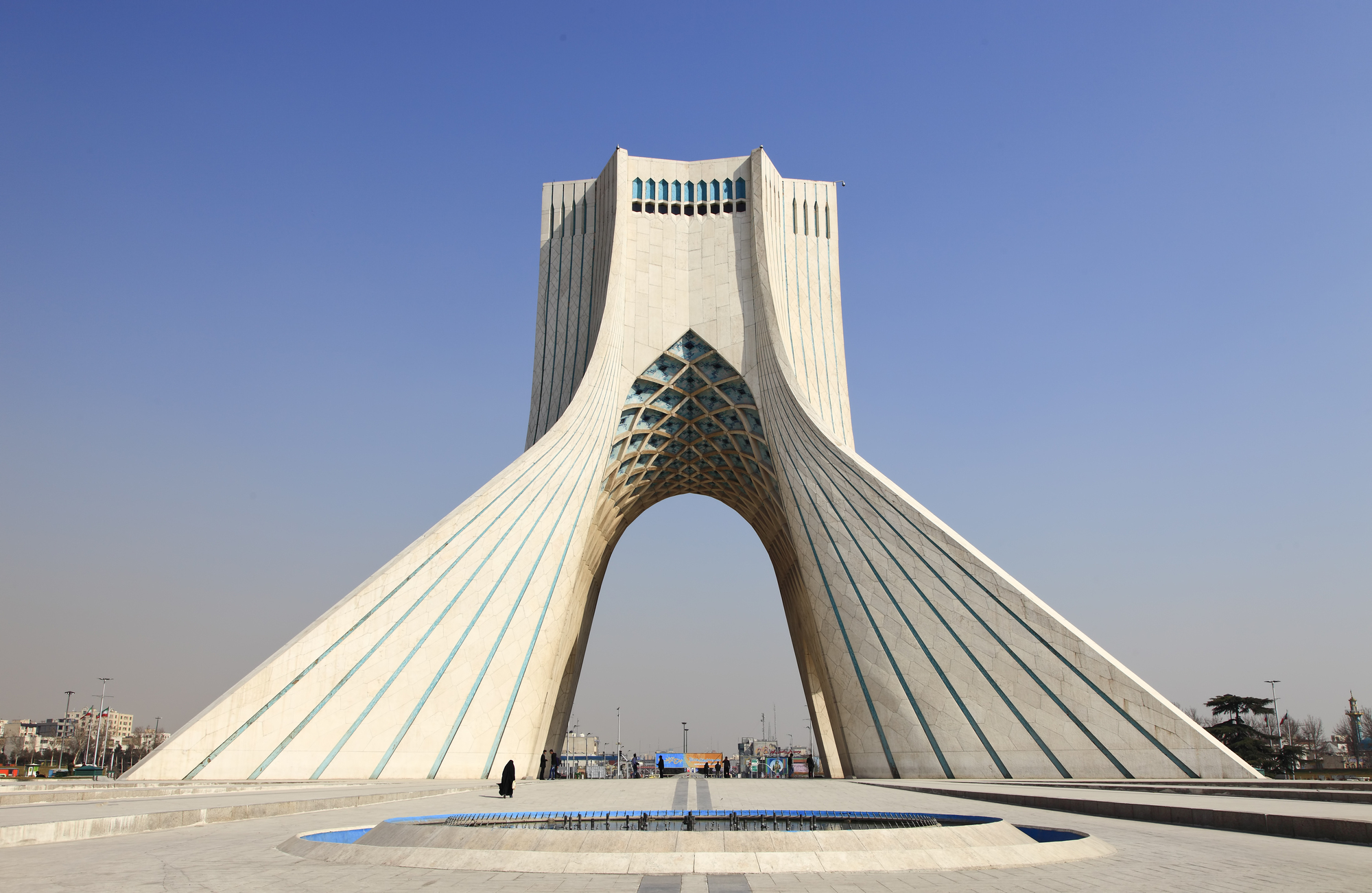
This April, Western society laughed off an Iranian cleric’s assertion that women’s clothing choices are responsible for earthquakes. Commentators assumed that he was speaking literally, and most probably he was. But if he had been speaking metaphorically, he would have had a point: From Belgium to Turkey, Muslim women’s clothing is causing plenty of political tremors.
- - - - - - - - - - - - - - - - - - - - - - - - - - - - - - - - - - - - - - - - - - - - - - - - -
ADVERTISEMENT
- - - - - - - - - - - - - - - - - - - - - - - - - - - - - - - - - - - - - - - - - - - - - - - - -
Two months ago,
the lower house of Belgium’s parliament voted to ban the wearing in public of the burqa and the niqab (garments that cover the entire body, including the face). In July,
the French parliament will vote on a similar law. But as France and Belgium are attempting to ban the burqa and the niqab, an antithetical drama is playing out on the other side of Europe, in Turkey, a 99.8 percent Muslim nation that doesn’t allow women to wear the traditional headscarf (which covers only the hair and neck) in public buildings.
The majority party in Turkey’s parliament, the
Justice and Development (AK) party. is pushing to lift the 90-year-old ban on headscarves. As in France and Belgium, the Turkish debate over women’s clothing is symptomatic of a national identity crisis. Some Turks fear that the repeal of the headscarf ban is a pro-religion move that indicates the erosion of Turkey’s prized secular democracy. For others, it’s an extension of that democracy and a movement toward more freedom of religious expression.
The argument for the ban stems from the founding of the modern Turkish republic. From the 1920s until just a few years ago, there has been one standard of right governance in Turkey: What would Atatürk do? Mustafa Kemal Atatürk, the founder of modern Turkey, rose to power in the wake of World War I by sweeping Allied occupying forces from the decaying Ottoman Empire. In
the space of only three years, he removed the existing government and established a secular democracy, enabling Turkey to
identify itself with something other than the old Ottoman Empire. In the interest of protecting the new democracy against becoming an
Islamic regime, Atatürk established laws to keep any vestiges of religion from creeping into politics. These included the headscarf ban.
But Turkey has changed quite a bit since the days of Atatürk. From the perspective of the ruling AK party, Turkey has outgrown the headscarf ban. It is no longer in danger of reverting to an Islamic theocracy, as Atatürk feared. Indeed, AK argues that today, repealing the headscarf ban is a continuation of Atatürk’s project of bringing democracy and freedom to Turkey.
Yet this remains a heated issue. When AK first proposed repealing the ban, protesters stormed the parliament building shouting, “Turkey will not become Iran!” Leaders of the
opposition party said in 2008 that repealing the ban would lead to “chaos in society” by melding politics and
religion and fundamentally undermining secularism. That same year, parliament passed a
constitutional amendment allowing the ban to be lifted, and Turks poured into the streets of Ankara in protest. Since then, the issue has been deadlocked in the courts.
- - - - - - - - - - - - - - - - - - - - - - - - - - - - - - - - - - - - - - - - - - - - - - - - -
ADVERTISEMENT